

CTRL Panel
Two weeks ago, we announced a project with the National Research Group examining young men’s lives online, and we asked for your input: what are your hypotheses about how time spent online affects men’s well-being? (Still time to give us your thoughts!)
Shortly after, we came across a new paper testing exactly the kind of hypothesis we were hoping to hear. Drawing on Self-Determination Theory, the researchers tested the “need density hypothesis” — that problematic gaming can take hold when they satisfy core psychological needs that a kid’s offline life doesn’t. In other words, they hypothesized that players were at a higher risk when gaming provides autonomy, achievement, and social connection, and offline life fails to.
Following 661 Belgian adolescents over a year, the researchers described their results as partial support for that hypothesis. But the clearest pattern was simpler: weak need satisfaction outside of gaming predicted increases in problematic gaming on its own, even when the game was reported to provide a sense of autonomy, achievement, and social connection.
We’ll keep asking for your hypotheses (complicated ones included)! But this is a nice reminder—sometimes the simpler, less sexy story is the right one.
Note: alongside this biweekly digest, my colleague Jonathan D. Cohen is now writing a monthly digest on gambling, where he goes deeper on policy developments. The first edition is up now.
The Feed
Porn and porn-like content on social media
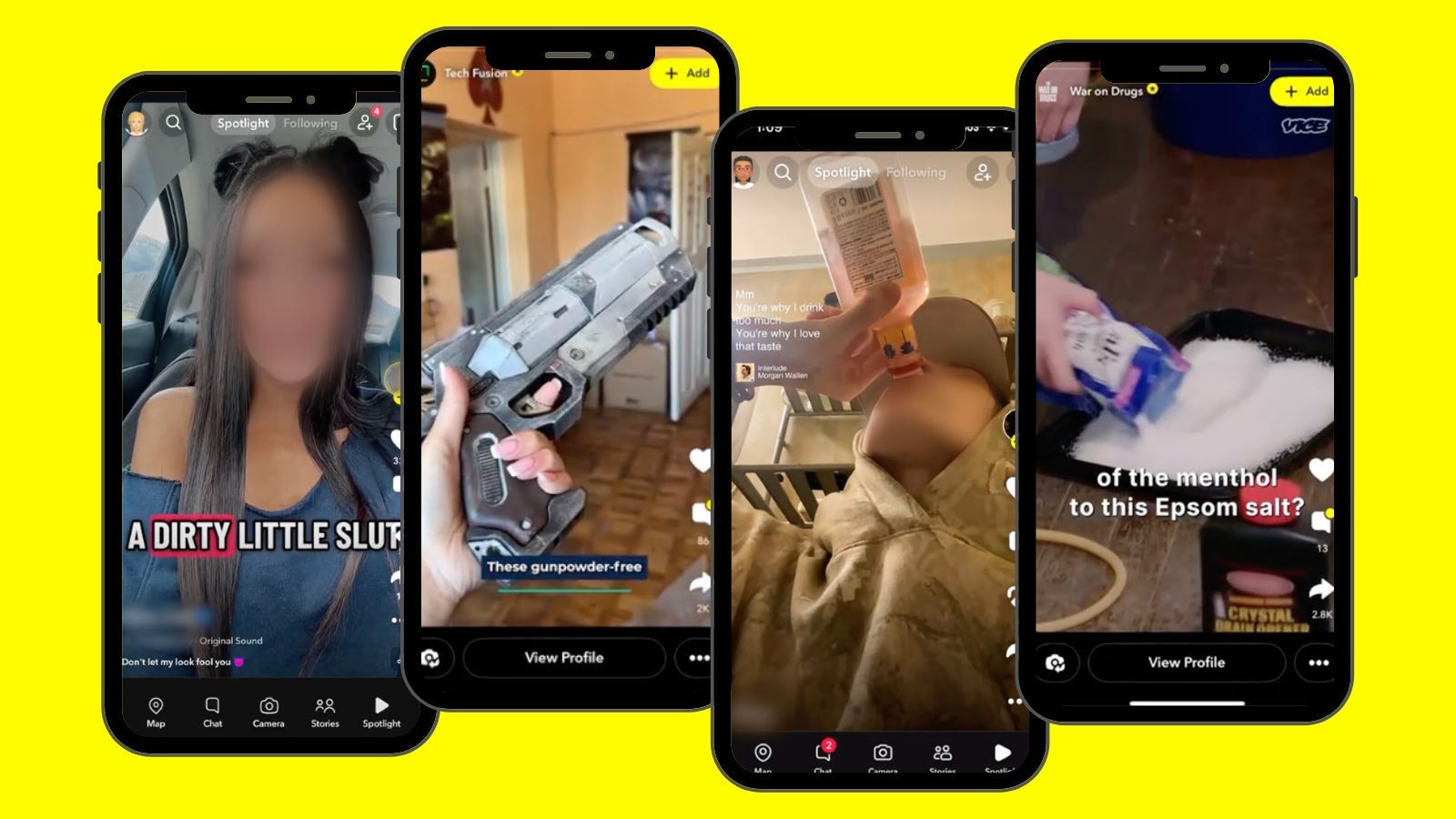
Abdul El-Sayed, who won yesterday’s Michigan Democratic primary, recently spoke about how “every third video [on Instagram] that scrolls on its own is going to be some OnlyFans model.” Sexually explicit content is commonplace on social media feeds. Building on an earlier project tracking social media feeds of 21 children ages 14-16, UK research agency Revealing Reality examines how young people are exposed to porn on mainstream platforms through sexually explicit videos used to funnel viewers to creators’ paid content.
It’s not just Instagram and TikTok, either. One in four Snapchat users aged 10-17 have seen sexually suggestive content or messages in the past year (49% of boys vs. 62% of girls), according to a similar report by the Heat Initiative and partner organizations.
Nearly half of teens exposed to AI-generated sexual content
Common Sense Media surveyed 1,314 teens, following up on its 2023 report on adolescents and pornography. They find that 74% of teens have seen porn, and 44% have seen sexual content they believe was AI-generated. Of respondents who had seen AI-generated porn, 82% said they encountered it on social media sites versus 41% who said they had on porn sites. Boys are more likely than girls to have seen AI sexual content depicting themselves or someone they know (28% vs. 19%).
More evidence that heavy social media usage is associated with harms—for girls
AEI’s new American Teenagers Survey finds that heavy social media use tracks with worse outcomes on nearly every measure—but only among girls. For instance, among teen girls on social media four or more hours a day (3 of 10), 24% say they’re very or completely satisfied with their lives, versus 54% of girls using it less than an hour a day. The same pattern does not hold for teenage boys.
Interestingly, the survey also finds that only 77% of teenage boys own their own smartphone versus 91% of teenage girls.
What else we’re reading
Prediction Markets Don’t Need Villains - AIBM fellow Isaac Rose-Berman
Raising Good Games: What Families Need to Know About Video Games and Well-Being - Games For Change
Australia’s Social Media Policy Is Succeeding - AfterBabel
Cognitive flexibility, impulsivity, and compulsivity in problematic consumption behaviours - Jara-Rizzo et al.
How US Youth Use AI Chatbots: Conversation Patterns From Naturalistic Keystroke Observations - Maheux et al.
Categorization of Loot Box Design: A Scoping Review of Problematic Features - Ivern and Carbonell
Events & Funding Opportunities
NCPG welcomes grant applications from any U.S. based nonprofit engaging in problem gambling prevention programming | Deadline: August 19, 2026
Family Online Safety Institute Conference | Washington, D.C. | November 19, 2026
What did we miss this week? Do you have an upcoming conference or study we could feature in the next edition? Do you want to help us craft our collaboration with NRG? Let us know at bmonline@substack.com, or shoot me a message here.
If you haven’t already, please subscribe to stay up to date on Boys & Men Online.
And share!