

Introduction: Isaac Rose-Berman is a fellow at AIBM focused on gambling research and policy.
When I started speaking with students and teachers about gambling, I was struck by how many of the students most interested in sports betting were also the strongest math students. They carefully analyzed statistics and could recite players’ recent performances from memory.
They spent far less time asking why an app kept encouraging them to place another bet, or how the company behind it expected to make money from them. The archetypical high school math whiz may be more exposed to — not protected from — harms from gambling.
This matters especially for boys. A recent Common Sense Media survey found that 36 percent of boys ages 11 to 17 had gambled in the previous year, rising to 49 percent among 17-year-olds. The challenge for schools and parents is to equip young people to understand both the mathematics of a wager and the commercial interests of gambling companies.
Our world is awash in numbers
Twenty-five years ago, the mathematician Lynn Steen argued that the information age was changing what it meant to be an informed citizen. “Our world is awash in numbers,” he wrote. “As the printing press made literacy a societal imperative, the computer has made numeracy an essential goal of education.”
Steen was writing at a moment when information once confined to experts was becoming available to everyone. If people developed the capacity to think quantitatively, that shift could “serve as a stimulus to democratic discourse.” Without widespread numeracy, however, it would “mystify rather than enlighten.”
In many ways, today’s world is an extension of the one Steen described. Anyone with a smartphone can access more quantitative information than an entire newsroom could have accessed a generation ago. AI can analyze datasets and explain statistical concepts in seconds. The cost of producing, interpreting, and distributing quantitative information has collapsed.
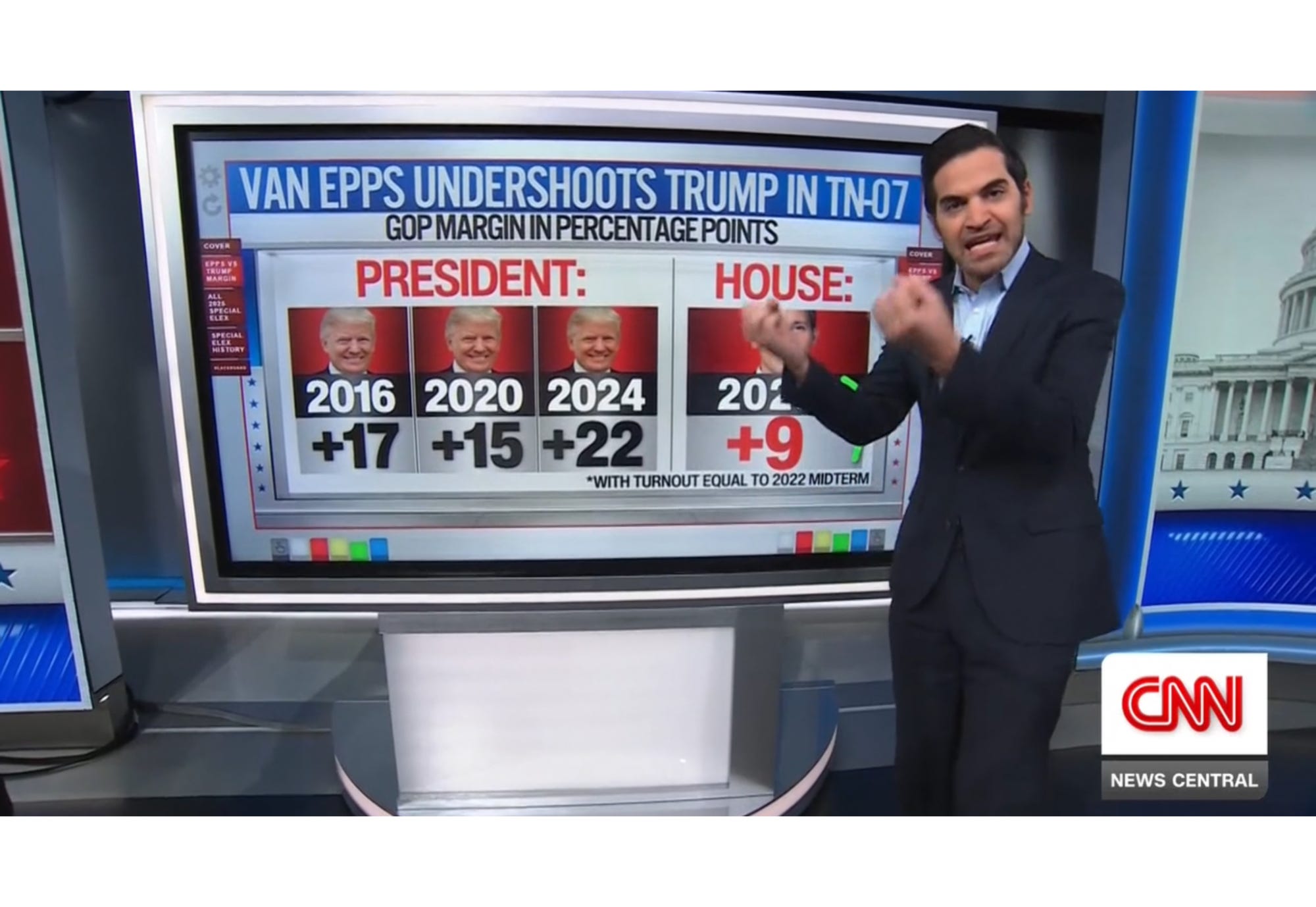
The way we encounter those numbers has changed, too. ESPN integrates DraftKings odds into its broadcasts. CNN displays Kalshi election prices. Increasingly, the same number functions as information, an advertisement for a product, and an invitation to speculate. Many young people — and especially boys — now learn about probability through gambling before they study it in a classroom.
Gambling’s expansion has brought obvious risks. More young people betting means more financial losses, and smartphones have made gambling easier to access, hide, and turn into a daily habit.
Gambling products will keep evolving
Schools are beginning to adapt. Massachusetts recently launched a sports betting curriculum for middle and high school students. Virginia now requires gambling awareness instruction as part of its health standards. Similar efforts have emerged in Canada, Australia, and the United Kingdom as educators try to keep pace with a rapidly changing gambling environment.
The case for gambling literacy is gaining ground, but for it to be effective, it must keep pace with a rapidly changing market.
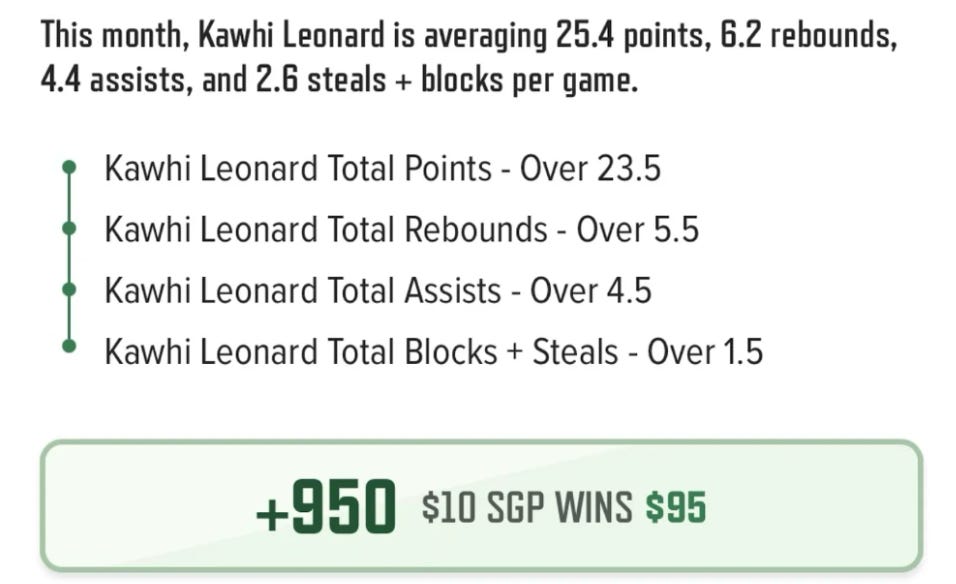
A curriculum written when states first began legalizing sports betting in 2018 would have focused on moneylines (who will win) and point spreads (how much they’ll win by). Today, same-game parlays account for more than half of all sportsbook wagers. Introduced only in 2019, they combine multiple outcomes into a single wager with more complicated underlying mathematics — and typically less favorable odds for the bettor.
Sports prediction markets have reshaped the landscape yet again. Platforms such as Kalshi and Polymarket present gambling through the language of finance. Robinhood now offers event contracts alongside crypto, stocks and ETFs, and high fees mean prediction markets now generate more revenue for Robinhood than stock or crypto trading. The next generation of gambling will almost certainly look different. A curriculum organized around today’s products will always trail tomorrow’s market. A stronger curriculum would be organized around questions that remain useful even when products change.
Learning from media literacy
Media literacy has already taken that approach. Rather than organizing lessons around Facebook, Snapchat, or TikTok, educators shifted towards what the National Association for Media Literacy Education calls “habits of inquiry.” Students learn to ask who created a message, why it was presented that way, what assumptions it relies on, and whose interests it serves. Those questions remain useful as platforms disappear and new ones replace them.
Gambling literacy should borrow that framework. The goal should not just be to equip students with the skills to understand the mathematics of a same-game-parlay. Rather, it should be to instill in them the habits of inquiry that will remain useful as products continue to evolve. Students should understand probability, expected value, sample size, and regression to the mean. They should also learn to ask why certain bets are promoted, what information is left out, and how companies profit from wagers.
Education alone will not protect young people from every gambling-related harm. Even well-informed adults struggle with products designed for speed, convenience, and repeated engagement. Gambling literacy should complement age enforcement, advertising restrictions, safer product design, and limits on practices that encourage compulsive use. As AIBM’s sports betting policy framework argues, information and awareness are most effective when combined with meaningful consumer protections.
Twenty-five years ago, Steen concluded that quantitative literacy was “not a call for more mathematics,” but “a different and more meaningful pedagogy across the entire curriculum.” He argued that students needed “tools to think for themselves, to ask intelligent questions of experts, and to confront authority confidently.” Today, they also need those tools to keep from getting taken by whoever’s on the other side of their bets.
As I'm reading this, I'm struck by how this advice -- "Students should understand probability, expected value, sample size, and regression to the mean. They should also learn to ask why certain bets are promoted, what information is left out, and how companies profit from wagers." -- can ALSO equip students to better understand medical studies and wellness/health influencers.